
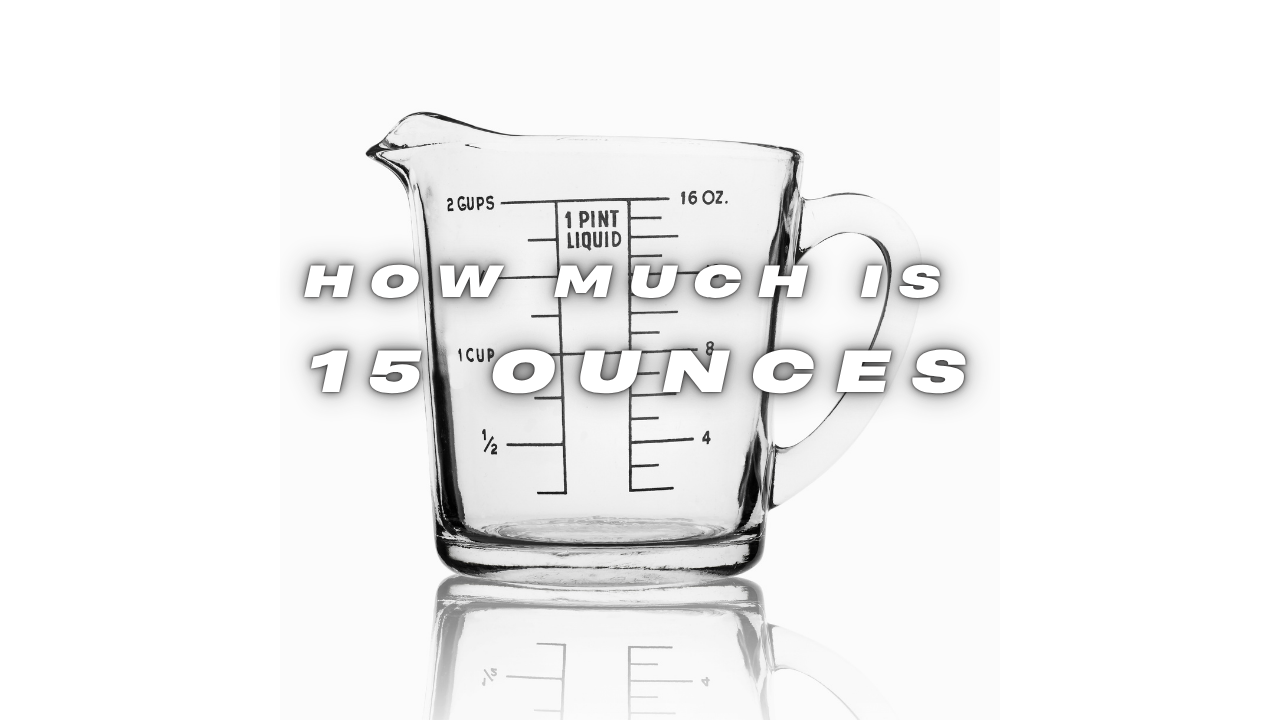
Ever really paid attention to how much 15 ounces actually is? You might even encounter this measurement on food wrappers, kitchen goods, athletic equipment or everyday items. But numbers on a label doesn’t always make it easy to visualize the real weight.
How much is 15 ounces? To put it another way, 15 ounces is about 425 grams, or 0.94 pounds — nearly a full pound but just one ounce shy. It weighs approximately as much as a can of food, the average soccer ball but about the same size of a coffee mug.
So in this guide we will take a look at 7 common objects that you can use to visualize fifteen ounces more accurately. It will also teach you what is an ounce vs fluid ounce, how to easily convert ounces and some effective strategies for gauging this weight without a scale.
How Much Is 15 Ounces in Different Measurements?
It is helpful to consider how 15 ounces compares to other everyday objects before we look at the various types of common weight units.
The avoirdupois ounce measures ordinary items. In America, one pound equals 16 ounces.
Conversion Table for 15 oz In A MotorCycle;
| Measurement unit | Equivalent |
| Ounces | 15 oz |
| Pounds | 0.9375 lb |
| Grams | 425.24 g |
| Kilograms | 0.425 kg |
| Milligrams | 425,242 mg |
| Fraction of a pound | 15/16 lb |
These conversions help make the measurement easier to read when it comes to reading recipes, making purchases for goods or comparing the weight of various objects.
Table salt comparison: 15 ounces is very close to one pound. You know what 15 ounces weighs about as well as you know the feel of a one-pound package in your hands.
Quick Reference: 7 Common Things That Weigh Around 15 Ounces
This weight can be seen in accordance with several objects that you face and use on a daily basis. The exact weight differs clearly based on the item, material and size (and whether that specific item is full or empty).
| Object | Approximate weight or comparison |
| 1. Can of soup | Some cans contain 15 oz of food by net weight |
| 2. Can of black beans | Commonly sold in 15 oz net-content cans |
| 3. Can of tomato sauce | Some products have 15 oz net contents |
| 4. Size 5 soccer ball | Regulation weight is approximately 14–16 oz |
| 5. American football | Regulation balls fall around the 14–15 oz range |
| 6. Large ceramic mug | Weight varies considerably by design |
| 7. Stainless steel travel tumbler | Empty weight depends on its size and construction |
For example canned-food examples mentioned on the label versus total weight of sealed can including packaging is not clear. Likewise, do not treat these examples of sports equipment and drinkware as an actual real scale.
A Can of Soup
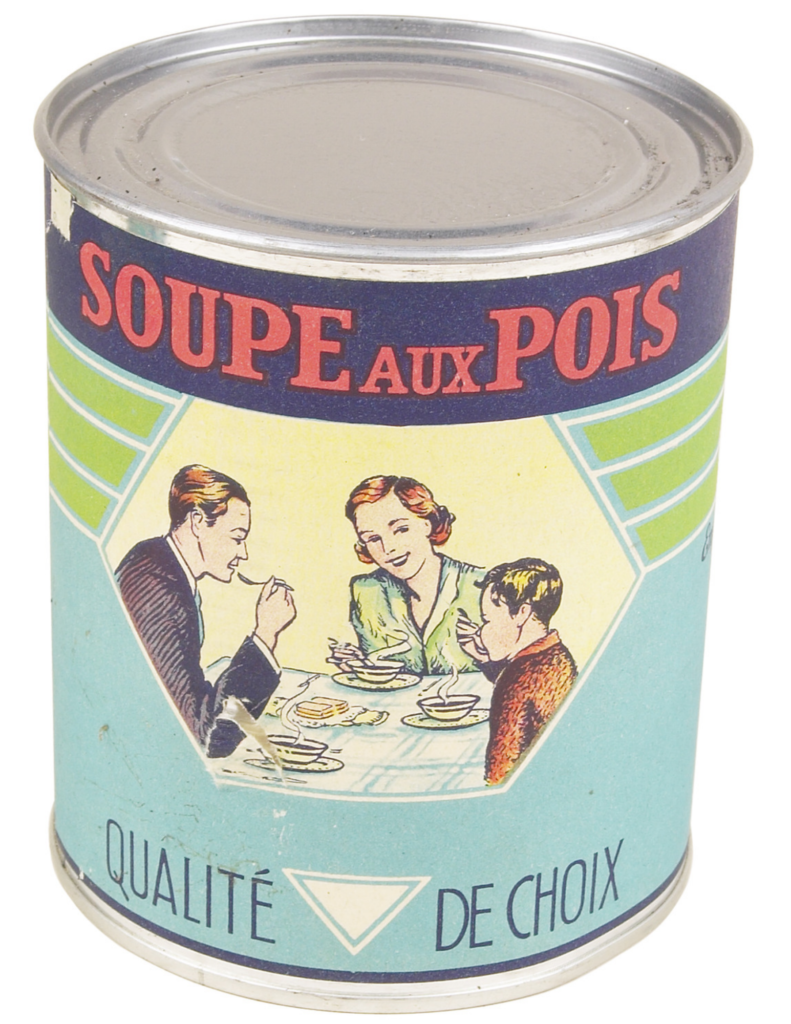
One of the simplest ways to get a feel for how much 15 ounces is, is with a can of soup. In many American supermarkets, the soup comes in a net content 15-ounce can.
The label indicates the amount of soup contained within the container. A full can is heavier on both counts (non-pipped, but it includes the metal packaging plus any other packing).
Soup cans are good references because they are easily found, relatively well labelled and come in standard sizes. For example, if you picked up a 15 oz can, you could actually hold it in your hand and get a real-feel of how much it weighed.
Why it helps: A labelled food can be a handy reminder of the visual weight of approximately one pound.
A Can of Black Beans
Another popular example is black beans in a can. Several brands sell black beans in containers with 15 ounces of net contents.
Similar allocations of size in the form of kidney beans, chickpeas, pinto beans and any other canned legumes can be easily found. But the contents and packaging can differ by brand and product.
One key piece of information is that the net weight on the label is not always just beans free from liquid. You have canned beans that are packed in liquid, and draining it reduces the weight of what you are weighing.
Why it helps: A 15 oz black beans is an equivalent well known grocery store measurement to understand.
A Can of Tomato Sauce
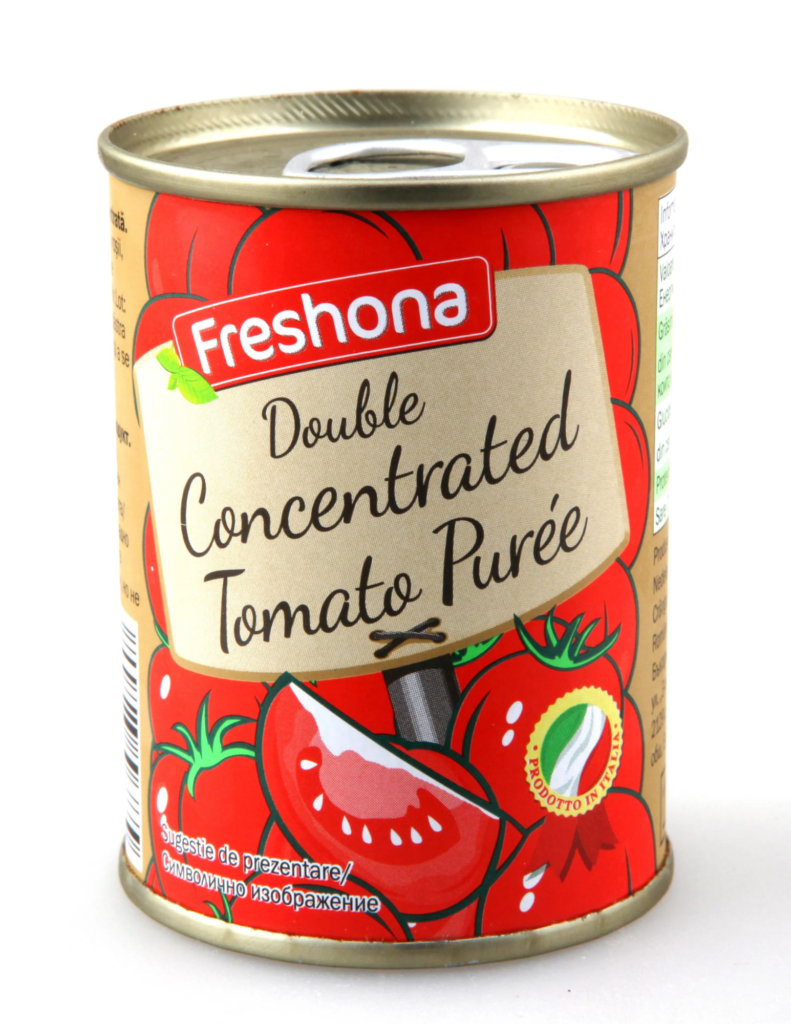
Another pantry item that can be sold in a 15-ounce container is tomato sauce. It’s also handy for reference, since many people regularly purchase canned sauces for pasta, pizza soups and recipes.
Net weight is for the product, not the whole sealed bag like soup and beans. The final weight of the container will become approximately 20% larger.
You can even compare and contrast different tomato products by reading their labels. Certain sauces are found in small cans, while others come in larger containers, jars, or cartons.
Note: A common ingredient used in every kitchen, this is a much easier way of remembering the measurement for while you are out shopping or making your meals.
A Size 5 Soccer Ball
If you have a preference for sports equipment rather than kitchen stuff, a size 5 football reads fairly well in comparison. In accordance with the standard Laws of the Game, an adult football’s weight must start between 410 and 450 grams in a match.
A margin of about fifteen ounces easily covers that range: 14.5 to 15.9 ozs So, a regulation size 5 soccer can weigh up to almost 15 ounces, depending on the ball construction and durability.
They use different materials for the outer covering, for internal lining and to design the bladder in soccer balls. All these differences mean that not every ball will be of the same weight.
Why it helps: The feel of a regulation soccer ball provides you with a visual and tactile reference for something close to that 15-ounce weight.
An American Football
An American football gives you a pretty good visual of a weight just shy of 15 ounces. According to NFL rules, a game ball weighed between 14 and 15 ounces (400g-425g).
For those who know of American football or have access to a regulation-style ball, this makes the comparison especially apt.
Remember that practice balls, junior footballs and recreational models will differ as well. For example, a younger player might practice with a ball that is not the same weight as the regulation ball used in an adult game.
Why it helps: an American football weighs 15 ounces, this is a reasonable sports-related comparison.
A Large Ceramic Coffee Mug
For example, a large ceramic coffee mug is another popular way of visualizing 15 ounces—but there’s one key caveat: mugs don’t have a standardized empty weight.
A small, thin-walled mug could weigh far less than 15 ounces while a large, thick ceramic mug can weigh more. This includes the handle, shape, and material which all contribute to overall weight.
Do not mistake the capacity of a mug for its size. A 15 fluid ounce coffee mug doesn’t weigh 15 ounces by itself. When full, its entire weight is also influenced by how much and what type of drink was consumed.
If you have a heavy ceramic mug at home, it is useful for comparison purposes but it needs to be weighed on a scale to see what the actual weight is.
Effects of using it: Since a mug is something you encounter every day with different weight values, this can be used to create a feeling for the correct weight.
A Stainless Steel Travel Tumbler
What about a simple object that you carry with you every day like a stainless steel travel tumbler? Many insulated tumblers have double walls and vacuum insulation, making them heavier than plain plastic cups.
But there is no one specific weight for an empty travel tumbler. A small tumbler can weigh as little as 15 ounces, and a bigger insulated version may weigh even more depending on the size.
Also, do not weigh the container as you measure its capacity. The tumbler has a capacity of 20 fluid ounces, which regulates the contained liquid, not the weight of an empty tumbler.
To see how useful they are, check the specs from the manufacturer or throw your tumbler on a kitchen scale.
Benefit: A travel tumbler is a tangible reference for those with reusable drinkware that they carry every day, but must be weight-checked.
How to Measure 15 Ounces Without a Scale
If a weighing scale is not available, use familiar objects to estimate this weight. The below methods are however valuable for everyday comparisons (although cannot be guaranteed to win against other asserting significance tests).
Use a labelled food can
Choose a canned good with 15 ounces of net content. This gives a good benchmark for the inside of food, although the entire sealed can will weigh more.
Lets compare it to a one pounder
A pound equals 16 ounces, so 15 ounces is just one ounce lighter. If you’re still unclear, just hold something tangible weighing one pound.
Check product specifications
Some sports equipment, drinkware and household products include their weight in the product description. It is more accurate to compare these specifications than to give an estimate based on merely looks.
Have a kitchen scale for precision
If you require an accurate measurement for cooking, shipping, crafting or some other type of task, a digital kitchen scale will likely be your best bet. Ensure you are choosing the appropriate unit and that the item is on a flat surface.
Read More : How Long Is 50 Km || How Long Is 4 Inches || How Far Is 10 Meters
Is 15 Ounces the Same as 15 Fluid Ounces?
No. This is one of the most crucial differentiations to comprehend while working with measurements.
Ounces by weight are a measure of mass and fluid ounces are a measurement of volume. 15 ounces by weight in America is approximately 475.24 grams
In contrast, 15 US fluid ounces equals roughly a volume of about 443 milliliters (1.51 U.S. cups). That density determines how much that liquid weighs of course. At normal temperatures and pressures, 15 fluid ounces of water weighs nearly 15.6 ounces while the same volume of oil or a different liquid could weigh more or less than that.
For cooking, you will check whether a recipe uses ounces as weight (weight) or fluid ounces as volume. The result is affected by the type of measurement used.
Conclusion
It is easier to put this into perspective when comparing 15 ounces with familiar items. Soup, black beans and tomato sauce all give you good labelled data, while a regulation soccer ball or American football gives sports context.
The most important number to know is that 15 ounces is around 425 grams or approximately 0.94 pounds. Just one ounce short of a pound.
Keep in mind, package net weight isn’t the same as total container weight and fluid ounces are a volume measurement not a weight one. Do not use a logic through finding a relationship between the fingernails length and the hairs existing on the head, if you want to find an exact result, then please use a scale, its better than simply following everyday comparisons.
Frequently Asked Questions
1. How much is 15 ounces in pounds?
Fifteen ounces equals 0.9375 pounds, or 15/16 of a pound. It is just one ounce lighter than a full pound.
2. How much is 15 ounces in grams?
Fifteen ounces is approximately 425.24 grams. This conversion is useful when comparing US product labels with metric measurements.
3. Is 15 ounces close to half a kilogram?
Yes. Half a kilogram equals 500 grams, while 15 ounces is approximately 425 grams. Therefore, 15 ounces is a little lighter than half a kilogram.
4. What common item weighs around 15 ounces?
A regulation size 5 soccer ball may weigh around 15 ounces. A labelled 15-ounce can of food is another useful comparison, although the complete can weighs more than its net contents.
5. Can I use a coffee mug to estimate 15 ounces?
You can use a large ceramic mug as a rough visual reference, but mug weights vary by material and design. Its capacity also does not tell you how much the empty mug weighs.
6. How much is 15 fluid ounces in cups?
Fifteen US fluid ounces equals 1.875 US cups, which is just under two cups. This is a volume conversion, not a weight conversion.
7. Is 15 ounces heavy?
For most everyday handling, 15 ounces is a manageable weight. It is slightly less than one pound, similar to the weight range of some sports balls and small packaged products.

2 thoughts on “How Much Is 15 Ounces? 7 Everyday Objects That Help You Visualize It”