
You may be wondering how far can you get in 50 kilometers? This distance will be something you notice on a road sign, a running challenge, the miles in your cycling route, a travel plan. The number can be hard to visualize until you compare it with something else we know.
[Note: 50 km = 31.1 mile] You can get there by car, about 40 minutes to an hour on a good clean fast road. Depending on the pace, walking the same distance would require somewhere around 10 continuous hours of movement (moving at 5 km/h), or about 5 hrs. of moving time if you were to run it (at ~10 km/h).
Actual time depends on your pace, traffic condition, road conditions and breaks that you take for long as well as short intervals along with your fitness level.
In this guide, you will discover how many miles is in 50 km, how long it takes to walk, run, cycle or drive it and visualize what that looks like with eight real-life examples.
How Long Is 50 Km in Miles?
50 km = 31.07 mi (but we always round this to 31.1 miles).
Distance conversions that can help you are:
| Measurement | Equivalent distance |
| Kilometers | 50 km |
| Miles | 31.07 miles |
| Meters | 50,000 meters |
| Yards | About 54,681 yards |
| Feet | About 164,042 feet |
For example, to convert kilometres to miles, multiply the number of kilometres by 0.62137.
For example:
50 × 0.62137 = 31.0685 miles.
This can simply be rounded off into 31.1 miles for your day-to-day scenarios.
If you’ve ever seen The Bourne Identity, you’re more familiar with miles than kilometers. This simple logic gives you an idea about the 50km distance.
How Long Does It Take to Travel 50 Km?
The time taken to cover 50 kilometers varies according to travel mode. Clearly a car can go a lot more distance than a person walking, but cycling and running fall between lengths based on speed.
| Travel method | Example average speed | Approximate moving time |
| Car on a fast road | 80 km/h | 38 minutes |
| Car on an ordinary route | 50 km/h | 1 hour |
| Bicycle | 15 km/h | 3 hours 20 minutes |
| Running | 10 km/h | 5 hours |
| Brisk walking | 5 km/h | 10 hours |
| Easy walking | 4 km/h | 12 hours 30 minutes |
These are estimates based on math, not promises of travel times. Traffic, signals, roadworks or stops may make driving time longer. Cycling and walking times may vary based on hills, weather, terrain and places of rest.
NOT PACE TOO FAR: A long distance walk or run does not mean you can sustain the same pace throughout your journey. Allow breaks, a hydrating and sufficient time to recuperate.
know More : How Long Is 4 Inches || How Far Is 500 Feet || Monster Can Dimensions
8 Real-Life Examples That Help You Visualize 50 Km
Often, such a distance is easier to understand by way of a by-now-familiar metaphor than by reference to a converter chart. So here are eight examples of what 50 kilometers can be in the real world.
Driving Between Two Nearby Cities
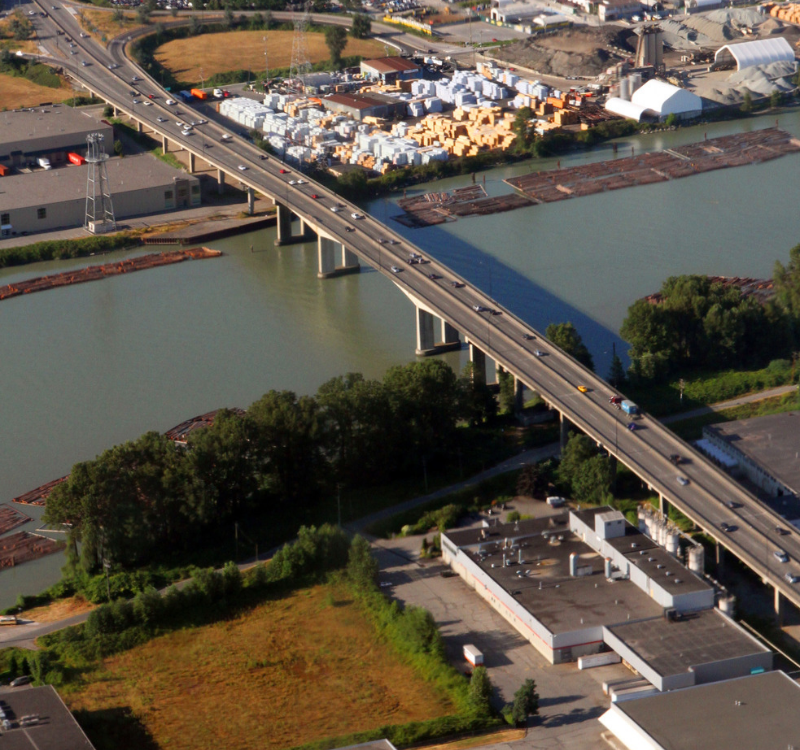
If you were taking a drive from one city to another, in the same manner as going for family and shopping trips or weekend getaways. If the distance was 50 km away, you would cover over 31 miles this way.
Without major delays, the trip would only take an hour at 50 km/h. On a free highway, however, this could take less time. Depending on the density of traffic, this may take significantly longer.
It is a helpful comparison since many have traveled out of town to somewhere near that. Because cities actually differ in distance apart from this example, consult a map before using it to build your journey.
Walking for a Full Day
5 km/h is a normal walking speed, so in theory the walk alone would take around 10 hours (50km to cover).
That is a long way for most humans. At that speed, you can show in two hours what is about 10 km. That equates to five two-hour walks at the same physical exertion over two hours of walking for a total distance of 50 km.
An example could be someone doing a lengthy charity walk, who might break the route up into smaller chunks, and stop in between to eat and drink.
Note: 10 hours is a moving time. The rest stops, the meals, the slanted path itself and just fatigue can make for a much longer day.
Cycling for a Weekend Challenge
For example, if you cycle at an average speed of 15 km/h, it means that you can complete a distance of 50 km in about three hours and 20 minutes moving time.
For a newbie, this may be a long enough ride for one to prepare. The experienced cyclist may be able to ride it easier, depending on the route and conditions faced.
Another possibility is to have two rides of 25 km. This makes the summit more realistic if you are working on endurance.
The cycling route is 50km in length, which serves as a good example of how to turn distance into something achievable when you select the right pace and breaks.
Running a Long-Distance Challenge
E.g. at say 10 km/h that takes, running time, ~ five hours to cover 50km?
That’s significantly longer than even a rare short training run An average runner competing at this distance typically needs to prepare above all, pace themselves effectively, wear appropriate shoes (which also tends to run full) and have enough hydration available either on course or in whatever bottle they run with despite the total distance running through sections boasting ” squash ” type magnetic water fountains and finally be able to determine a proper plan for filling in for fatigue.
As an example, training for an endurance event means increasing weekly distance over time rather than running 50 km out of the blue.
The maths is rudimentary: Running 10 km in the course of one hour gives you a distance of 10 km/h; run that for five hours and you’ve racked up the full 50 km. However, your actual pace may be slower (in particular for a long distance).
Going for a Highway-speed Road Tour
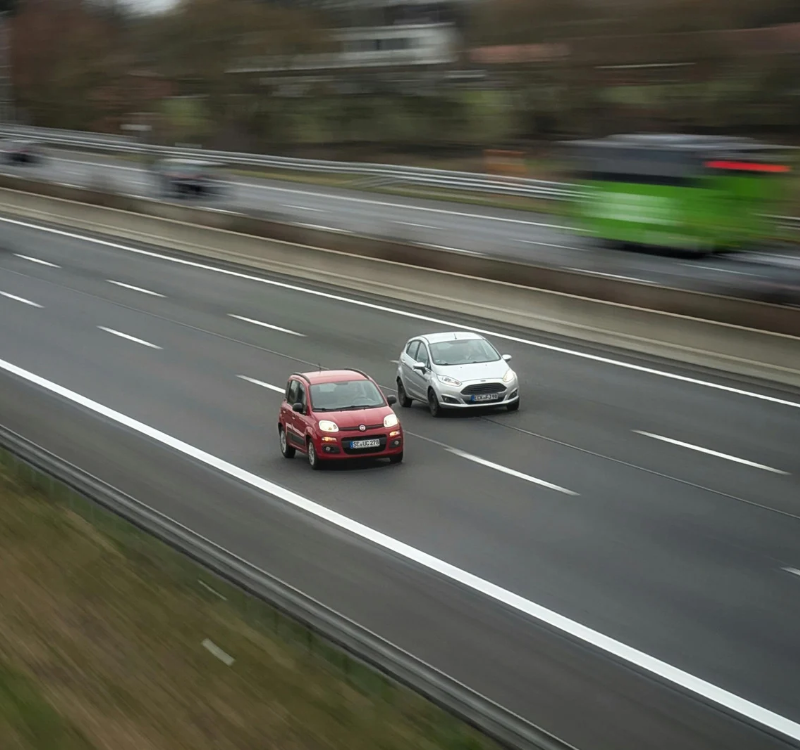
Think of it as an imaginary road on which you could sustain an average speed of 80 km / h. Theoretically, a distance of 50 km at that speed takes around 37 minutes and a half (half hour only).
Which is also why a 50 km drive sometimes seems short. But the actual average speed will be low because of traffic, speed limit, toll plaza, junctions and road conditions.
A clear route that would take about 40 minutes on the highway might take an hour or more during peak traffic, for example.
In your travel time estimation, use the average speed you expect to maintain for the entire trip instead of the highest number ever displayed on your vehicle’s speedometer.
Walking Towards the Daily Goal over a Series of Days
You do not have to get 50 km from the ground in one day. The distance can be spread through a week or a month.
If you walk 5 km every day, it will take you 10 days to cover a distance of 50 km. You are. If you add, 2 x 25 = same total! (If you walk for 2 km per day, in around 25 days you will reach the same amount)
If you walk to local shops or evening walks, or simply add a 1-minute long walk every day then this will be very effective.
Such as 2.5 km morning walk + 2.5 km evening walk → daily total of 5 km You add 50 km up in the ten days at that distance.
Do not attempt to do too much, but rather choose a routine that matches your schedule and fitness level.
Visiting Friends or Family
Say you drive to visit a relative who lives in another town or the fringe of a sprawling super city. The journey might be about 50 km by both methods.
If the destination is 50 KMs from home, then travel to it and back would be ~100 kms. That is 100 kilometers for the round trip or about 62.1 miles.
It also illustrates an important difference: The destination at 50 km, does not mean that the round trip is limited to 50 km. You are 50 km away from home if you turn back using the same road.
When calculating costs or time for travel, always account the difference between a one-way distance and total travelled length in both directions.
This is the story of how a 50 Km Compare to a Long Walking or Hiking Route
Fifty km is not a short afternoon stroll, 50km hike: this is an endurance event. The moving time would be close to 12h30 if the whole thing was executed at a moderate average speed of 4 km /h.
It can take much longer to do real hiking because the trails would have steep climbs, rocky ground, muddy patches or possibly bad weather. Additionally, you can want several breaks for food, water, route, and leisure.
A hiking group wanting to go for a 50 km route may break it down into shorter sections and mark safe spots for them along the way. Several collectives conduct the route on more than one day.
Depending on your experience, the difficulty of the route, daylight hours available even in good weather and emergency arrangements take this distance into consideration before attempting to ride anywhere near.
Is 50 Km a Long Distance?
50 km doesn’t feel like a long distance, it depends on the activity you’re engaging in.
By car: It might be a short drive out of town for you.
Cycle It: For many leisure cyclists, it’s a ride that will test your limits but is certainly possible.
By foot: This is a very long walk as you do need to plan carefully.
Through running: It is an endurance course that often requires significant training.
Move-By-Hiking: It may range from a full day to multi-day adventure depending on the terrain.
Today, that same distance could be so easy in one circumstance and felt impossible in another. The experience is influenced by speed, fitness, weather, elevation and rest opportunities.
How Can You Calculate the Time Needed for 50 Km?
You base how long it takes you to travel on a simple equation:
Time = Distance ÷ Speed
Imagine for example that we travel 50 km at a speed of 25 km / h on average:
50 ÷ 25 = 2 hours.
If you walk at 5 km/h:
50 ÷ 5 = 10 hours.
Assuming you drive at an average of 60 km/h?
We can also calculate it like this: 50 ÷ 60 = 0.833 hours (which is roughly equal to 50 minutes).
This formula gives you a rough approximation to the moving time for nearly any activity. Bond: Add additional time for traffic, stoppage of road, surface and unforeseen delays to get a realistic journey estimation
Conclusion
So, how long is 50 km? Some 50,000 meters or a considerable distance from where they land depending on how you define the travel.
Driving may take about 40 minutes to an hour in ideal road conditions. On a bicycle, perhaps hours. If you walk at 5 km/h it takes approximately 10 hours of movement, and if you run at 10 km/h only five.
To truly grasp the distance, it can help to relate real world experiences – driving into town or completing a cycling challenge or taking small walks day after day, reaching your goal.
Keep in mind those are estimated travel times. Actual time will vary based on speed, route, traffic patterns, fitness and any breaks you take. Perhaps you are planning a road trip or attempting to achieve a personal distance goal – well, breaking 50 km into bite-sized pieces is a good way to frame your journey in an easier-to-comprehend and manageable manner.
Frequently Asked Questions
1. How many miles is 50 km?
50 km is approximately 31.07 miles, commonly rounded to 31.1 miles.
2. How long does it take to drive 50 km?
At an average speed of 50 km/h, it takes about one hour. At 80 km/h, the mathematical estimate is about 38 minutes. Traffic and road conditions can increase the actual time.
3. How long does it take to walk 50 km?
At 5 km/h, the moving time is about 10 hours. At 4 km/h, it is about 12 hours and 30 minutes. Breaks and difficult terrain can extend the total time.
4. Can a beginner walk 50 km in one day?
It may be possible for some people, but it is a demanding distance and is not a suitable starting goal for everyone. Beginners should build up gradually, choose a safe route, carry water and food, and take rest breaks.
5. How long does it take to cycle 50 km?
At an average speed of 15 km/h, it takes around 3 hours and 20 minutes of moving time. Hills, wind, road conditions, and fitness can change the result.
6. How many steps are there in 50 km?
The number depends on your stride length. If you average about 0.75 meters per step, 50 km would equal roughly 66,700 steps. This is only an estimate because step length differs from person to person.
7. Is 50 km the same as 50 miles?
No. Fifty kilometers equals about 31.1 miles, while 50 miles equals about 80.5 kilometers. A 50-mile journey is considerably longer than a 50 km journey.
8. How can I cover 50 km over time?
You can divide the distance into manageable daily or weekly goals. Walking 5 km per day reaches 50 km in 10 days, while walking 10 km per week reaches the total in five weeks.

2 thoughts on “How Long Is 50 Km? 8 Real-Life Examples to Understand the Distance”