
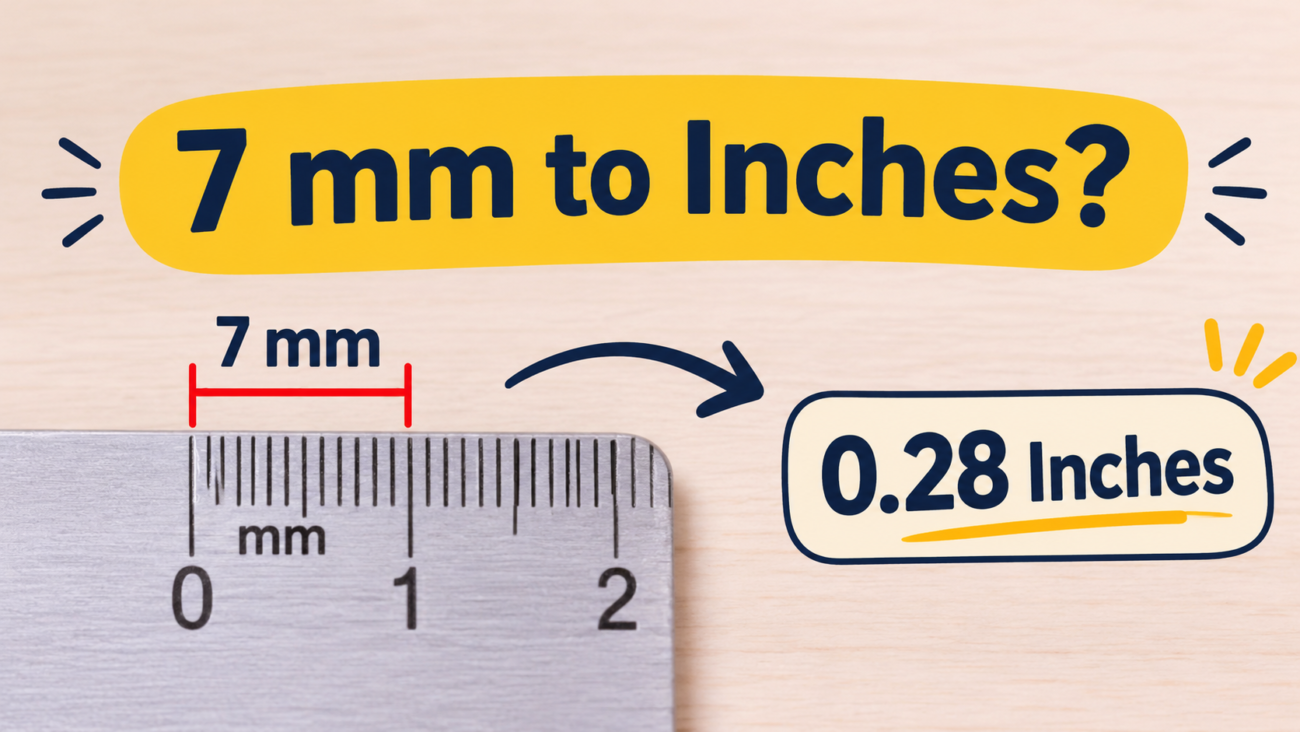
Have you ever looked at a little object and thought “what the hell is that in inches when it’s given to me in millimeters?” You may well be in that situation when you’re going to buy a screw, you’re looking at the thickness of a mobile phone accessory, you’re looking at the thickness of a piece of wood or you’re doing some little bit of DIY. If you’re after 7 mm to inches you’re in the right place.
Seven mm may seem like a very small figure but can make a real difference when you’re selecting the right tool, checking product dimensions or comparing the sizes of various objects. The good news is that converting mm to inches is extremely straightforward. You don’t need any special kit or complicated maths at all.
7 mm to inches is approximately 0.276 inches. To put that in perspective it’s a little more than a quarter of an inch. In this article we’ll look at the conversion formula, show you how to work it out and then compare 7 mm to some common objects so you can get a real sense of just how big it actually is.
What Is 7 mm to Inches?
The conversion of 7 mm to inches is the process of changing 7 mm to the corresponding imperial measurement unit.
Millimeters are common in India for things that are small, inches are more common in the US and for product specs.
Here is the simple conversion:
7 MILLIMETERS IN INCHES
0.2756 inches
Millimeters
7 mm
Inches
0.2756 in
Rounded value
0.28 inches
Fraction
Approximately 9/32 inch
Therefore, if anyone inquires about 7 millimeters to inches, you can respond with 0.28 inches.
Consider, for example, that we divide an inch into four equal parts. Each part will be 0.25 inches. Seven millimeters is just a little larger than just one of those four parts.
How to Convert 7 mm to Inches?
Converting millimeters into inches is easy because we already know the relationship between these two units.
1 inch = 25.4 millimeters
This means that whenever you want to convert millimeters into inches, you simply need to divide the millimeter value by 25.4.
The conversion formula
Inches=Millimeters25.4
Now, let’s use this formula to calculate 7 mm to inches.
Step 1: Write down the measurement.
7 mm
Step 2: Divide the measurement by 25.4.
725.4=0.27559055
Step 3: Round the answer to four decimal places.
7mm=0.2756inches
That’s it! You have successfully converted 7 millimeters into inches.
You can even apply the same formula to other units. Say you want to convert 10 mm to inches, simply divide 10/25.4 and you get about 0.3937 inches.
7 mm to Inches Conversion Chart
However, there are times when it may be easier for you to comprehend the measurement through a conversion chart as opposed to doing the individual calculations.
Here is a chart that shows the comparison of various millimeters to inches.
| Millimeters (mm) | Inches (in) |
| 1 mm | 0.0394 in |
| 2 mm | 0.0787 in |
| 3 mm | 0.1181 in |
| 4 mm | 0.1575 in |
| 5 mm | 0.1969 in |
| 6 mm | 0.2362 in |
| 7 mm | 0.2756 in |
| 8 mm | 0.3150 in |
| 9 mm | 0.3543 in |
| 10 mm | 0.3937 in |
| 12 mm | 0.4724 in |
| 15 mm | 0.5906 in |
| 20 mm | 0.7874 in |
| 25 mm | 0.9843 in |
| 30 mm | 1.1811 in |
The use of this chart will prove helpful especially when dealing with small measurements.
Read More: 76cm to Inches || How Tall Is 150 cm in Feet || 10 Yards to Feet || 18 CM in Inches and Feet
How Big Is 7 mm? Everyday Examples to Understand Its Size
Numbers alone don’t always give an idea of the real dimensions of an object. For instance, when one says that a small object is 7 mm wide, it is unlikely that you will picture the exact size of the object in your mind.
A good way to appreciate 7 mm to inches would be through comparison with other objects that you can relate to.
Here are some simple examples.
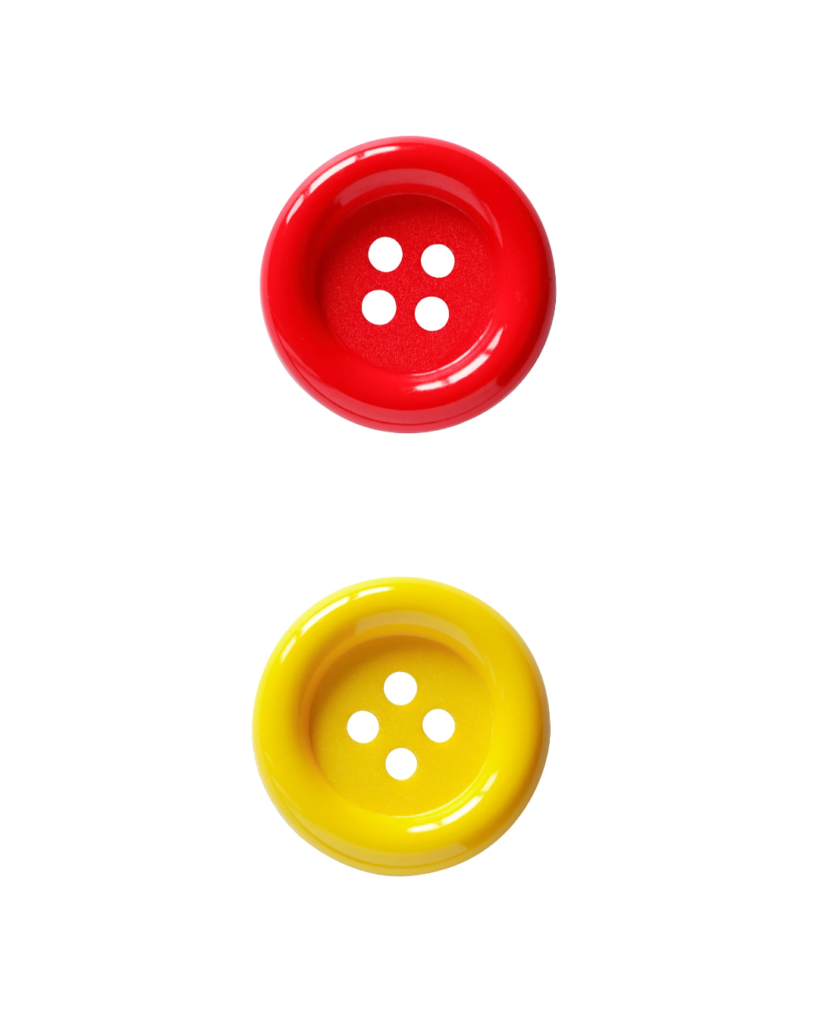
1. A Small Button
Consider the tiny buttons that you use on your shirt, kids’ clothes, or light jacket. Some of the small buttons have a diameter of 7 mm.
A 7 mm button is rather small, and it can actually be accommodated by your fingers. It is important for you to picture this size when looking for replacement buttons or when undertaking sewing tasks.
Keep in mind that there are various types of buttons with varying sizes.
2. A Small Bead
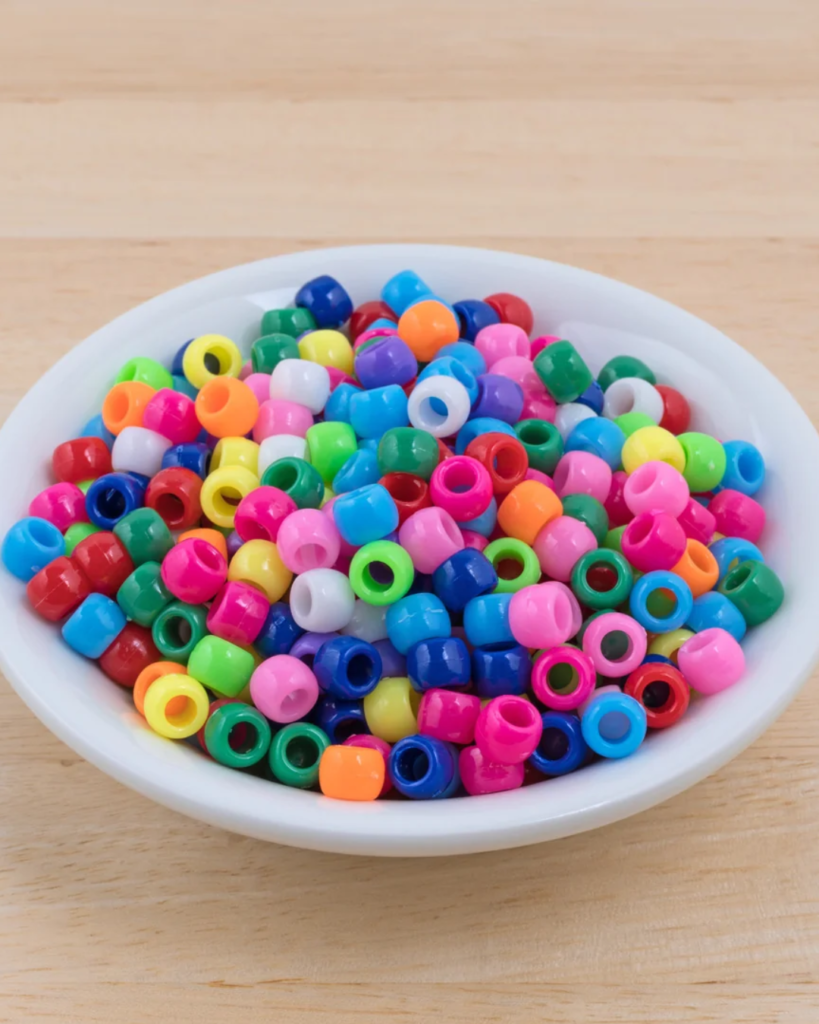
Small bead jewelry is also an excellent example. There are numerous types of decorative beads that have a size of about 7 mm.
In case you like to create your own bracelets, necklaces, or any other pieces of jewelry, then you will come across this measurement very often.
A bead that has a diameter of 7 mm is equal to 0.28 inches in width.
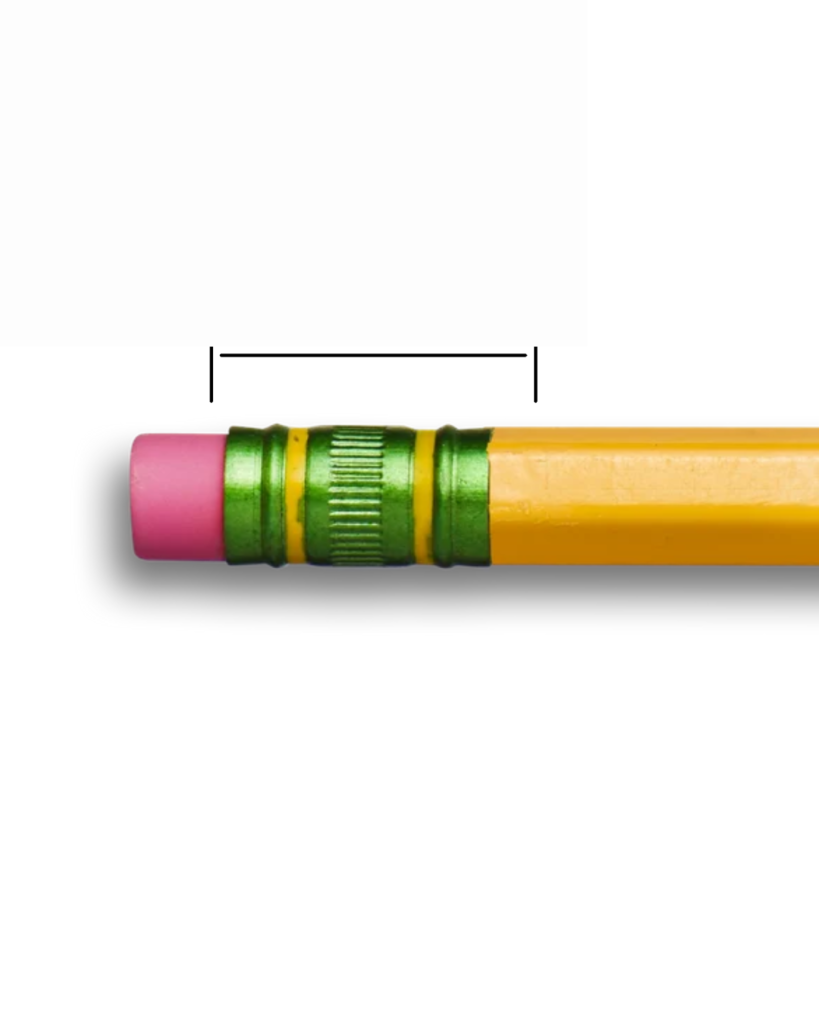
3. The Thickness of a Pencil Eraser
Consider the tiny eraser that usually comes on the end of a standard wooden pencil. In most cases, some of these pencils may have an eraser that has a length of roughly 7 mm.
This comparison is very common since many of us must have used a pencil in schools or colleges.
But, the eraser from the pencil comes in varied sizes; hence it is just a rough idea.
4. A Small Craft or Jewellery Stone

These decorative stones that are used for jewellery and craft work tend to be available in millimeters sizes.
The stone size measuring 7 mm is fairly small and it could be used for earrings, pendants, ring, and any hand crafted designs.
While shopping on-line you will find products described as 7mm, 8mm, or even 10mm. Understanding how to convert the measurement would help one compare the sizes.
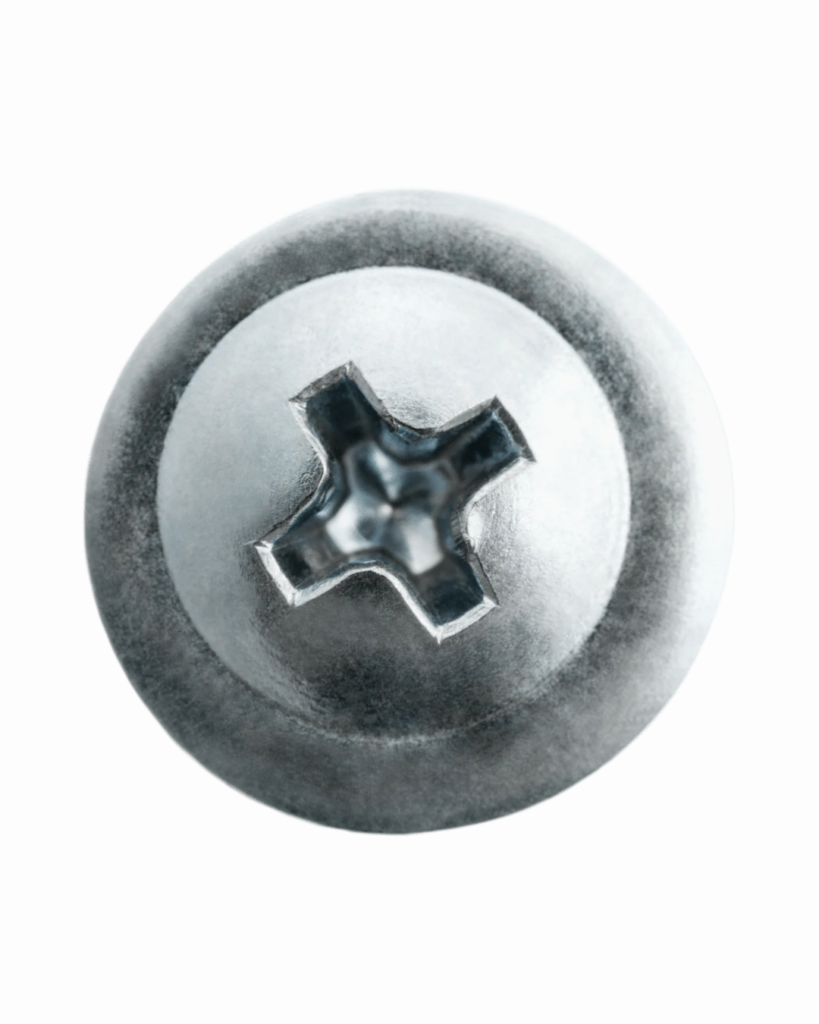
5. A Small Screw Head
Screws in smaller sizes are usually sized in millimeters, especially for use in electronic devices and furniture.
The head size of a screw, or any other dimension of a small screw, can be approximately 7 mm depending on the screw type.
It becomes more helpful when buying screws as replacement for any equipment. Keep in mind that there is a difference between the screw diameter, head width, and length measurements.
Where Can You Use a 7 mm Measurement in Daily Life?
You may believe that 7 millimeters would not really amount to anything. Yet small measures of things occur in a variety of applications.
Let’s understand a few common examples.
1. Jewellery and Accessories
If you buy earrings, beads, rings, or decorative stones on the Internet, you will notice that their size is indicated in millimeters.
For instance, a jewellery stone with the size of 7 mm to inches will be 0.28 inches wide.
It will help you to know if your accessory will be small, medium, or large in size.
2. DIY and Home Improvement Projects
Individuals who like fixing things in the house work with very tiny measurements.
For instance, screws, washers, connections and small fittings could have measurements given in millimeters.
In case your measuring reference is in inches, having in mind that 7 mm are equivalent to approximately 0.28 inches would be helpful.
3. Mobile and Electronic Accessories
There are lots of small components in electronic equipment. Some screws, connector sizes, and accessory sizes could be mentioned in millimeters.
These kinds of measurement could also be found while measuring phone accessories, computer components, and other small electronic devices.
Just remember to clarify whether the given measurement is width, thickness, diameter, or length.
4. Sewing and Craft Work
Those who love sewing, knitting, and doing crafts always use measurements that are small in size.
For instance, a decorative bead, button, or an object that measures 7 mm can help a lot while working on a certain pattern.
Conversion of millimeters into inches helps one do the job easily.
5. Buying Products Online
In many international shopping sites, measurements are in inches, whereas products from other countries are in millimeters.
Learning about 7 mm to inches will help you in comparisons when making purchases of those products.
This can be especially useful when you need to purchase smaller tools, accessories, decorations, and replacement parts.
Difference Between 7 mm, 0.25 Inches and 0.30 Inches
You may wonder whether 7 mm is closer to 0.25 inches or 0.30 inches.
Let’s compare these measurements.
| Measurement | Equivalent in mm |
| 0.25 inches | 6.35 mm |
| 7 mm | 0.2756 inches |
| 0.30 inches | 7.62 mm |
As you can see, 7 mm falls between 0.25 and 0.30 inches.
It is somewhat larger than 0.25 inches but somewhat smaller than 0.30 inches.
This comparison can prove helpful when you have to choose among various sizes of the product.
For instance, if you have a product specification of 0.25 inches, it will be somewhat smaller than an object that measures 7 mm.
Is 7 mm the Same as 1/4 Inch?
No, 7 mm and 1/4 inch are not exactly the same measurements.
Let’s understand the difference.
- 1/4 inch = 0.25 inches.
- 1/4 inch = 6.35 mm.
- 7 mm = 0.2756 inches.
Therefore, 7 mm is slightly larger than 1/4 inch.
The difference is approximately 0.65 mm.
Although the gap is very minute, it can make a difference when selecting screws, fittings, jewelry parts, and other items that need precision measurement.
In terms of visual estimation, the two measurements are almost equal. However, they must not be taken as equal when precision is needed.
Quick Reference: 7 mm in Different Measurement Units
Apart from inches, you can also express 7 millimeters in centimeters, meters, and micrometers.
Here are the conversions:
| Measurement Unit | 7 mm Equivalent |
| Inches | 0.2756 inches |
| Centimeters | 0.7 cm |
| Meters | 0.007 m |
| Micrometers | 7,000 µm |
| Feet | 0.02297 ft |
These conversions can be helpful in school mathematics, engineering, DIY activities, and product measurements.
For example, if you are using a centimeter ruler, 7 mm is equal to 0.7 cm. This means it is just a little less than 1 centimeter.
Common Mistakes to Avoid When Converting 7 mm to Inches
Conversion of units is straightforward but one might be prone to minor errors that can cause wrong results.
Here are a few things to remember:
1. Do not multiply by 25.4: When converting millimeters to inches, the division operation must be carried out using 25.4. In case you convert inches into millimeters, multiplication should be done.
2. Do not confuse centimeters with millimeters: There are ten millimeters in one centimeter. Hence, 7 mm is 0.7 cm, not 7 cm.
3. Do not round too early: An exact answer would be 0.2756 inches. However, if one rounds it off to 0.28 inches, accuracy will be lost.
4. Check the measurement type: A manufacturer can refer to the length, width, height or diameter of a particular product.
5. Avoid assuming that nearby sizes are identical: Though 7 mm is close to 1/4 inch, they are not exactly equal sizes.
This will help you avoid typical conversion errors when working with tiny measures.
Conclusion
Making sense of smaller measurements is made easy when you know how to change them into more common units. The conversion of 7 mm to inches provides about 0.2756 inches, which can be rounded off to 0.28 inches.
To visualize this, you could think of anything from a small button, craft bead, jewelry stone, or any small item that you might find in your house. Such comparisons help in understanding the measurement without having to carry a calculator with you.
What you need to keep in mind is that 1 inch is equal to 25.4 millimeters. Just divide any millimeter measure by 25.4 to find out the inches value of the same.
Such a conversion will come in handy whether you are shopping online, doing some DIY work, measuring accessories, or even solving an assignment in school.
Know More: How Much Is 15 Ounces || What Weighs 150 Pounds || How Long Is 50 Km
Frequently Asked Questions
1. How much is 7 mm to inches?
7 mm is equal to approximately 0.2756 inches. When rounded to two decimal places, the answer is 0.28 inches.
2. Is 7 mm bigger than 1/4 inch?
Yes. One-quarter inch equals 6.35 mm, while 7 mm is slightly larger by approximately 0.65 mm.
3. How many centimeters are in 7 mm?
7 millimeters is equal to 0.7 centimeters. You can convert millimeters into centimeters by dividing the value by 10.
4. How do I convert 7 mm into inches?
Divide 7 by 25.4. The result is 0.2756 inches. This is the standard formula for converting millimeters into inches.
5. What everyday object is approximately 7 mm wide?
A small craft bead, jewellery stone, or button can be approximately 7 mm wide. These objects provide a simple way to imagine this measurement.
