
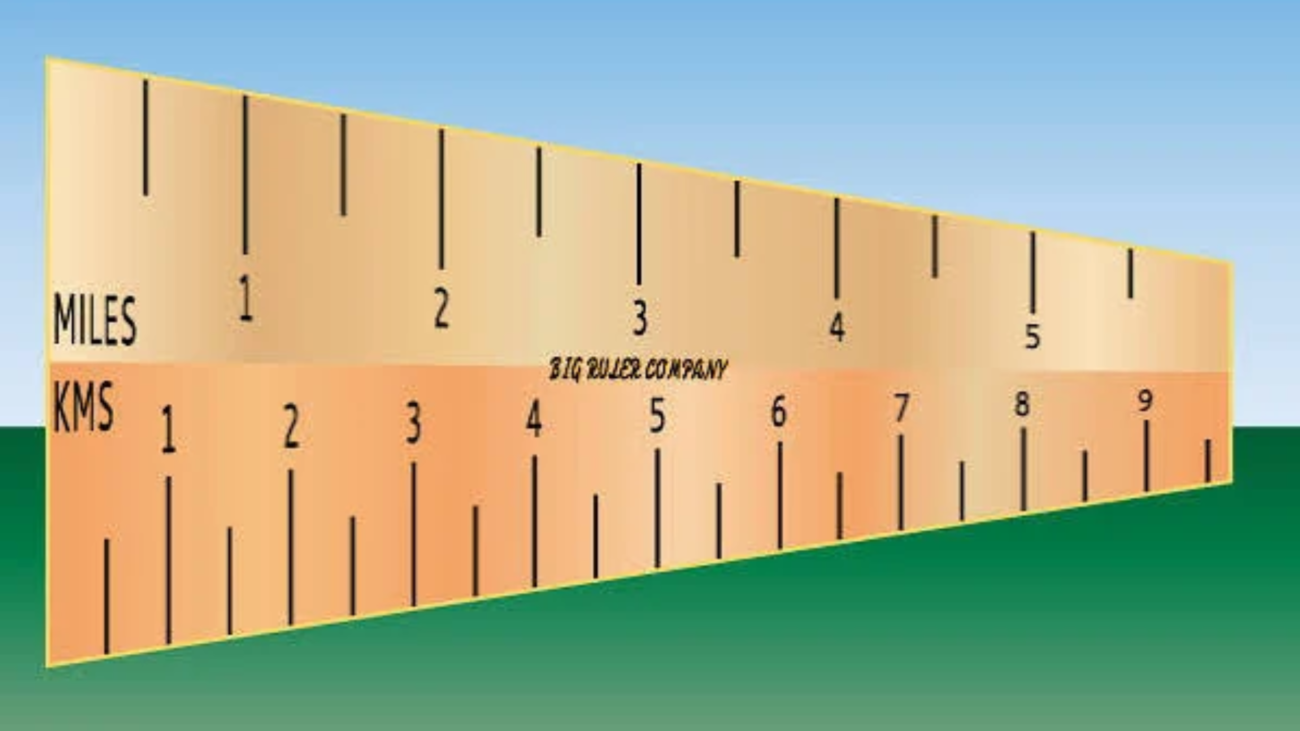
Ever wondered how long a 5K is? Whether you’re training for a running event, or simply looking to walk a set amount every day, knowing how many miles 5km is can be helpful. Luckily it’s an easy conversion to make. 5 km equals about 3.1 miles.
A 5K is a popular distance to run, whether you’re a beginner or experienced runner. It provides a great distance to really get your fitness going without being too long for those who like to walk, jog or run. We’ll explain how many miles there are in 5km, show you the formula and give some real life examples to help you understand how long it actually is.
How Many Miles Is 5 km?
5 kilometres is equal to 3.10686 miles, which is commonly rounded to 3.1 miles. This means that when you participate in a 5K race, you cover a little more than three miles.
Here is the basic conversion:
| Measurement | Equivalent Distance |
| Kilometres | 5 km |
| Miles | 3.10686 miles |
| Rounded miles | 3.1 miles |
| Metres | 5,000 metres |
| Feet | Approximately 16,404 feet |
| Yards | Approximately 5,468 yards |
The word “K” in 5K stands for kilometre. Therefore, a 5K event means that participants cover a distance of five kilometres, regardless of whether they run, jog or walk.
The exact distance remains the same in every country. Only the unit used to describe it changes.
How to Convert 5 km Into Miles?
Converting kilometres into miles is easy once you know the conversion factor.
1 kilometre = 0.621371 miles
To convert 5 km into miles, multiply 5 by 0.621371.
Calculation:
5 × 0.621371 = 3.106855 miles
Therefore:
5 km = 3.10686 miles ≈ 3.1 miles
You can use the same formula to convert any kilometre measurement into miles.
Formula:
Miles = Kilometres × 0.621371
For example, if you want to convert 10 km into miles:
10 × 0.621371 = 6.21371 miles
So, 10 km is approximately 6.21 miles.
Read More: How Long Is 4 Inches || 63cm to Inches || 30 cm to In
How Far Is 5 km? Examples to Understand the Distance



Sometimes it can be hard to get a sense of how far away something really is. By thinking of examples you can relate to, you can get an idea of how far 5km/3.1 miles really is.
Below are some simple examples.
1. 12.5 Laps Around a Standard Running Track
The most straight-forward way to explain what a 5K is, would be to think of an average sized outdoor track.
A typical running track has an inside lane distance of 400 meters. As a result, if you run 5 kilometers (or 5,000 meters), then you will have completed:
5,000 ÷ 400 = 12.5 laps
You will have to run around the entire track a total of twelve times, and then do one additional half lap to make up the required five kilometers.
This is a good example of how to do this for individuals training at schools, colleges, sports centers, and/or athletic facilities.
2. Five 1-Kilometre Sections
Another simple way to picture 5 km is to divide it into five equal sections.
Imagine walking along a road where a distance marker appears after every kilometre. You would pass five markers before completing the full distance.
- First section: 1 km
- Second section: 2 km total
- Third section: 3 km total
- Fourth section: 4 km total
- Fifth section: 5 km total
Each section is approximately 0.62 miles. Together, all five sections make 3.1 miles.
This example is especially helpful when planning a walking or running route.
3. Three Miles Plus 188 Yards
A 5K is slightly longer than three complete miles.
The three mile distance equals 4.828 kilometers. In addition to being able to go about 188 yards further than that, you would have completed the entire 5 kilometer distance.
Think about it like this; you ran 3 miles and you’re not done. There’s some distance left for you to cross the finish line of the 5k.
The comparison will assist those individuals that have greater experience using miles as opposed to using kilometers.
4. Approximately 16,404 Feet
You can also understand 5 km by converting it into feet.
One kilometre equals approximately 3,280.84 feet. Therefore:
5 × 3,280.84 = 16,404.2 feet
Imagine travelling along a straight route marked in feet. You would need to cover more than 16,000 feet to complete a 5K.
This is another way to understand why a 5K is more than just a short walk around the neighbourhood.
5. Walking Through Five 1-Kilometre Routes
Imagine that your neighbourhood has a walking route that measures exactly 1 km from start to finish. If you walk that route five times, you will complete 5 km.
For example, you could walk from your home to a nearby park and back, covering 1 km each time. Repeating that journey five times would give you a total distance of 5 km.
This is a practical way to include a 5K walk in your daily fitness routine without needing a running track.
How Long Does It Take to Walk or Run 5 km?
The time required to cover 5 km depends on your walking speed, running pace, fitness level, age, terrain and other conditions.
A person walking comfortably will generally take longer than someone jogging or running. Here are some illustrative time estimates at different speeds.
| Activity | Approximate Speed | Time to Cover 5 km |
| Slow walking | 3 km/h | 1 hour 40 minutes |
| Comfortable walking | 4 km/h | 1 hour 15 minutes |
| Brisk walking | 5 km/h | 1 hour |
| Light jogging | 7.5 km/h | 40 minutes |
| Steady running | 10 km/h | 30 minutes |
| Fast running | 12 km/h | 25 minutes |
These are mathematical estimates rather than guaranteed finishing times. Your actual time may be different depending on your physical condition and the route.
How Long Does It Take to Walk 5 km?
If you walk at an average speed of 5 km per hour, you can complete 5 km in approximately one hour.
However, if you walk slowly at 3 km per hour, the same distance will take around 1 hour and 40 minutes.
You do not need to run to complete a 5K. Walking is also a way to participate in many community 5K events.
How Long Does It Take to Run 5 km?
For someone running at a speed of 10 km per hour, completing 5 km takes approximately 30 minutes.
Experienced runners may finish faster, while beginners may need more time. Your first goal can simply be to complete the distance comfortably rather than trying to achieve a particular time.
5 km vs Other Common Running Distances
A 5K is one of several popular running distances. Comparing it with other races helps you understand where it fits among shorter and longer running events.
| Race Distance | Kilometres | Miles (Approx.) |
| 1K | 1 km | 0.62 miles |
| 2K | 2 km | 1.24 miles |
| 3K | 3 km | 1.86 miles |
| 5K | 5 km | 3.11 miles |
| 10K | 10 km | 6.21 miles |
| 15K | 15 km | 9.32 miles |
| Half Marathon | 21.1 km | 13.1 miles |
| Full Marathon | 42.195 km | 26.2 miles |
As you can see, a 10K is exactly twice the distance of a 5K. A half marathon is more than four times as long, while a full marathon covers more than eight times the distance.
This comparison can help beginners select a running goal that matches their current fitness and experience.
Why Is a 5K Run So Popular?
A 5K is popular because it offers a balance between distance and accessibility. It is a suitable starting point for people who want to develop a regular walking or running habit.
Here are some reasons why people choose 5K events:
1. Beginner-friendly distance: Many new runners choose a 5K as their first organised running event because it is shorter than a half marathon or full marathon.
2. Easy to track progress: You can measure your improvement by comparing your finishing time across different training sessions.
3. Walking and running options: Many community events welcome participants who prefer walking, jogging or a combination of both.
4. Fitness goals: Preparing for a 5K can encourage regular physical activity and help build endurance.
5. Community participation: Charity runs, school events and local running clubs often organise 5K events where people can participate together.
Before beginning a new running programme, consider your current fitness level and increase your activity gradually. If you have a medical condition or concerns about exercise, consult a healthcare professional before starting.
Conclusion
So, how far is five kilometers in miles? There are two answers: one is about 3.1 miles (or 3.10686 miles), which is the most accurate; the other is 5,000 meters (or about 16,404 feet) and twelve and a half times around a standard 400 meter running track.
Whether you’re getting ready for your very first 5k race, planning on walking each day, or comparing different running distances, these examples should help make the measurements easier to relate to. A 5k doesn’t need to be ran at a fast rate. You can walk, jog, or run based on what you are able to do. You will also be able to build up to your physical fitness goals over time.
Know More: How Many Inches Is 50 cm || How Much Is 15 Ounces || 90 mm to Inches
FAQs
1. How many miles is 5 km exactly?
5 km is equal to approximately 3.10686 miles. It is commonly rounded to 3.1 miles for everyday use and running events.
2. Is 5 km equal to 3 miles?
Not exactly. Five kilometres is slightly longer than 3 miles. The difference is approximately 0.107 miles, or around 188 yards.
3. How many laps around a track is 5 km?
A 5K equals 12.5 laps around a standard 400-metre running track. You need to complete 12 full laps and half of another lap.
4. How long does it take to walk 5 km?
At a walking speed of 5 km per hour, it takes approximately one hour to walk 5 km. The time can be longer or shorter depending on your walking speed.
5. Is a 5K run suitable for beginners?
Yes. A 5K is a common starting goal for beginner runners. You can prepare by gradually increasing your walking and running distance and taking enough rest between training sessions.
